Payload Capacity
- Function: Capture images or video of the robot’s environment.
- Application: Used for object detection, identification, and navigation in robotics and automation systems.
Repeatability and Accuracy
- Function: Repeatability refers to a robot’s ability to perform the same task consistently, while accuracy indicates how closely the robot’s output matches the intended target.
- Application: Both are critical in manufacturing processes, such as assembly and quality control, ensuring consistent and precise results in production.
Speed and Cycle Time
- Function: Speed refers to how fast a robot can perform a task, while cycle time is the total time taken to complete a specific operation or series of operations.
- Application: Both are crucial in manufacturing and automation processes, as they impact overall productivity and efficiency, influencing throughput in assembly lines and other automated systems.
Number of Axes
- Function: The number of axes in a robotic system refers to the degrees of freedom it has, allowing for movement in different directions. Each axis typically corresponds to a joint or rotational point in the robot’s arm or body.
- Application: The number of axes determines a robot’s flexibility and capability in performing complex tasks, such as welding, painting, or assembling components.
Torch and Tool Mounting Options
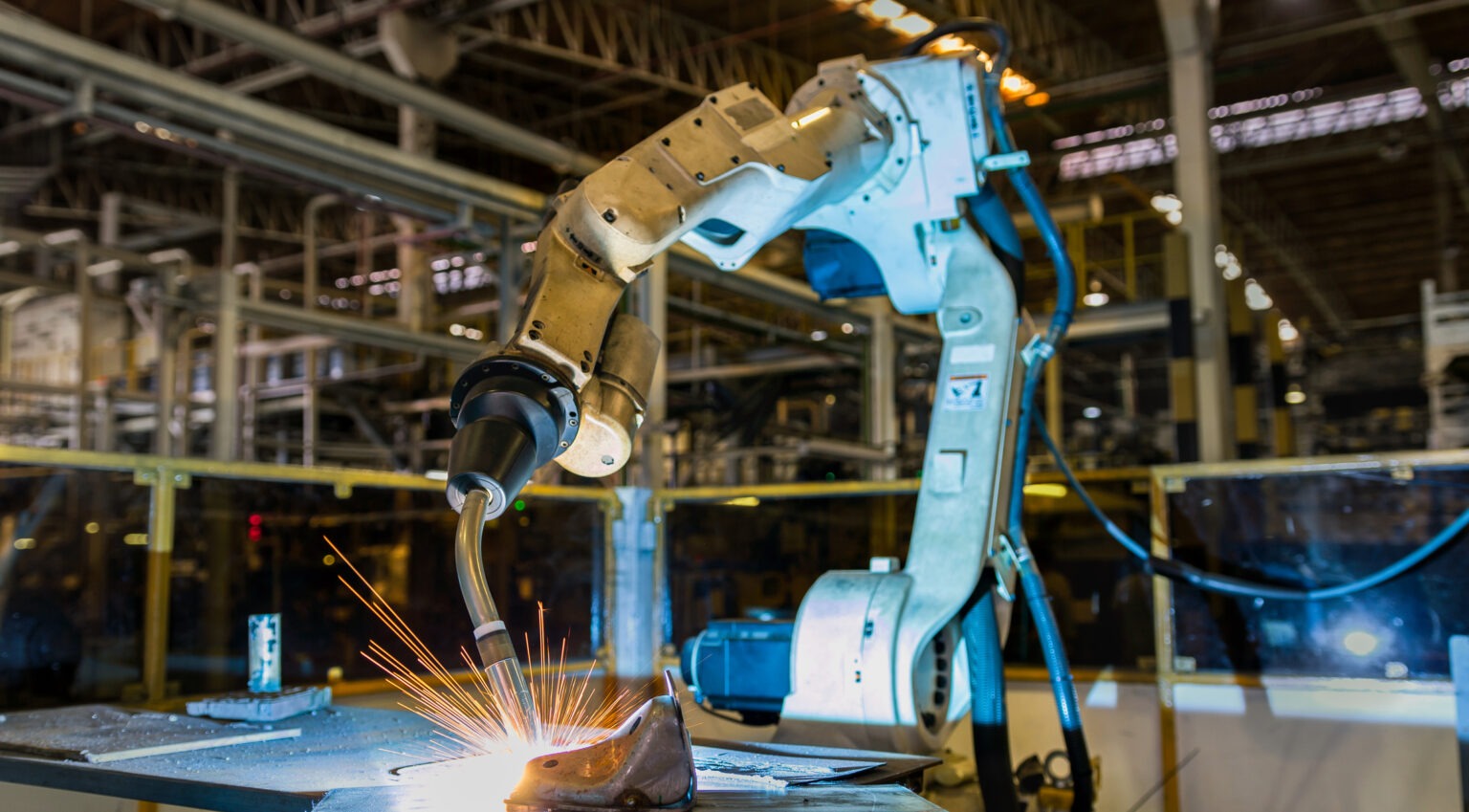
- Function: Various methods to attach welding torches and tools to a robot, allowing for task-specific configurations.
- Application: Essential for welding and fabrication, enabling robots to perform tasks like MIG, TIG, or plasma cutting efficiently and precisely.
Robot Welding Tool
- Function: Various methods to attach welding torches and tools to a robot, allowing for task-specific configurations.
- Application: Essential for welding and fabrication, enabling robots to perform tasks like MIG, TIG, or plasma cutting efficiently and precisely.
Integration with Welding Fixtures
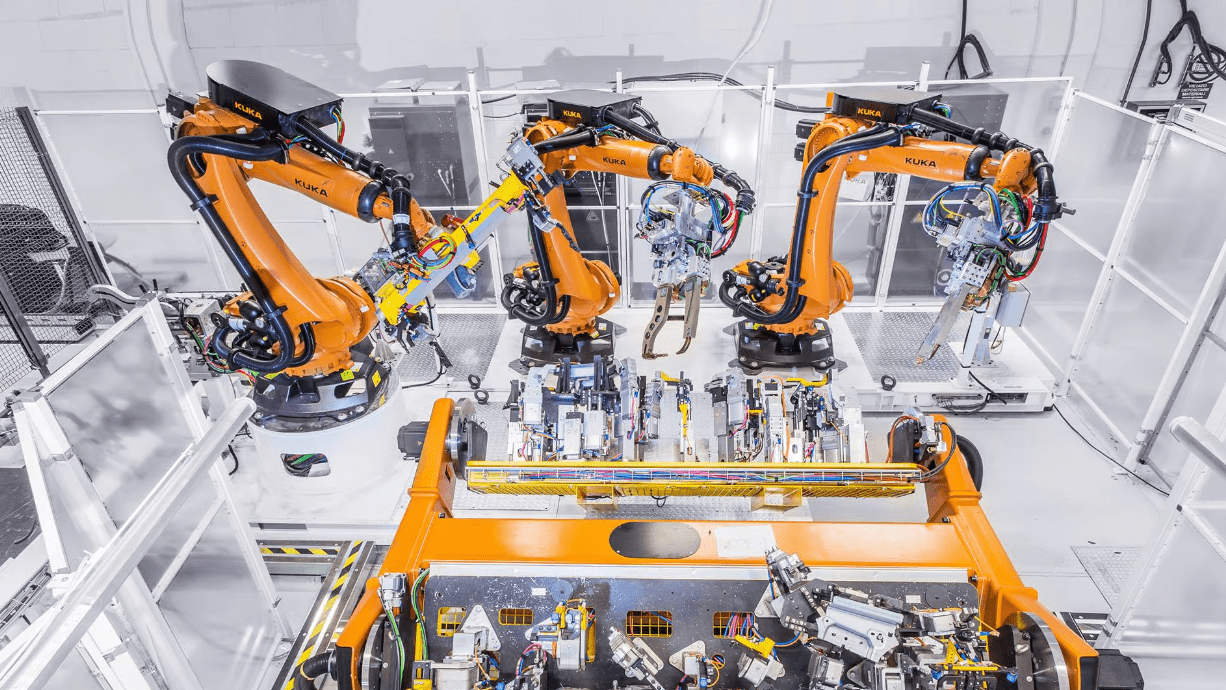
- Function: Integration with welding fixtures to enhance the stability and accuracy of the welding process.
- Application: Crucial for ensuring proper alignment and positioning of workpieces, enabling robots to perform consistent and high-quality welds across various applications.
